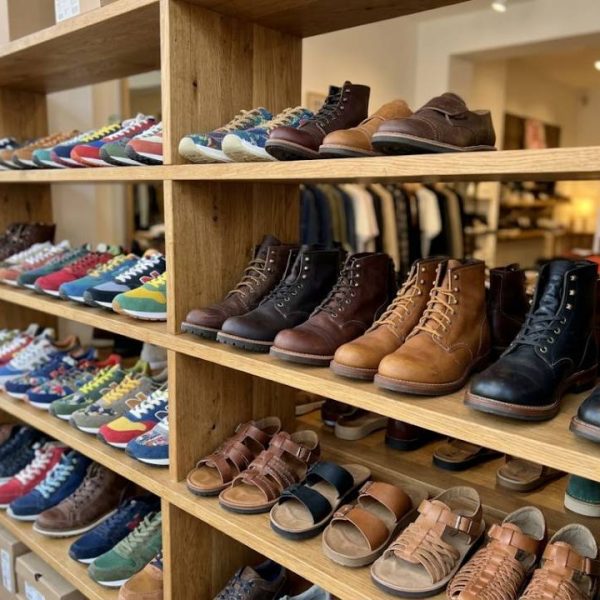
The right pair of shoes can change how you feel from morning to night. Comfortable footwear protects your feet, supports your posture and makes every walk more pleasant. With so many trends, brands and materials, choosing well takes some thought. This guide explains how to pick shoes that suit both your style and your feet.
Know Your Foot Type
Feet differ in width, arch height and length. Measure both feet in the afternoon, when they are slightly larger, and note which shapes feel most natural to you.
Try Shoes on Later in the Day
Feet swell during the day. Shopping in the late afternoon helps you choose a size that will remain comfortable through long hours.
Check the Fit Carefully
Leave about a thumb width of space in front of your longest toe. Your heel should stay in place and your toes should be able to move freely.
Walk Around the Shop
Do not judge shoes only while sitting. Walk, climb a step and turn, and notice any rubbing or pressure points.
Choose Sneakers for Everyday Comfort
Good sneakers offer cushioning, grip and breathable fabric. Look for a flexible sole that bends where your foot bends.
Pick Running Shoes for Running Only
Running shoes are designed for forward motion and impact. Replace them every few hundred kilometres to keep support effective.
Select Boots for Cold and Wet Weather
Look for waterproof materials, a grippy sole and room for thick socks. Leather boots can last for many years when cared for properly.
Wear Sandals With Proper Support
Straps should hold your foot securely, and the sole should have an arch. Flat, flimsy sandals tire your feet on long walks.
Choose Formal Shoes Wisely
Leather shoes with a flexible sole and a little cushioning keep you comfortable at work and events. Break them in gradually.
Consider Heels in Moderation
Lower, wider heels are easier on the feet than very high, narrow ones. Alternate heel heights through the week when possible.
Think About Materials
Leather, canvas and mesh each have advantages. Natural materials often breathe better, while synthetic ones may dry faster.
Look at the Sole
A good sole gives traction, absorbs shock and resists wear. Rubber soles suit most outdoor use.
Match Shoes to Your Activity
Walking, hiking, gym training and office days place different demands on shoes. Using the right pair prevents strain.
Protect Foot Health
Pay attention to pain, blisters or numbness. For persistent problems, see a health professional and read advice from trusted sources such as the NHS.
Wear Suitable Socks
Moisture wicking socks reduce blisters, and thicker ones add cushioning for boots. Fit matters here too.
Break In New Shoes Slowly
Wear them for short periods at home before long outings. Gradual use reduces rubbing and blisters.
Care for Your Shoes
Clean them regularly, let them dry naturally and use shoe trees for leather. Rotating pairs gives each pair time to rest.
Know When to Repair
A cobbler can replace soles and heels at a fraction of the cost of new shoes. Quality pairs are worth repairing.
Buy Online With Confidence
Check size charts, read reviews about fit and confirm the return policy. Keep original packaging until you are sure of the fit.
Order From International Shops
When buying from foreign stores, keep your payment records handy. A guide on bank statement translation explains how financial documents are handled across borders.
Help Norwegian Speaking Customers
Online shops growing abroad benefit from local language support. A english to norwegian translation of size guides and care tips helps Norwegian speaking customers choose with confidence.
Follow Trends Without Losing Comfort
Fashion changes quickly, but comfort should remain a priority. Choose trends that suit your style and feel good to wear.
Choose Neutral Colours for Versatility
Black, brown, white and grey go with most outfits. One or two statement pairs can add personality.
Consider Sustainable Options
Look for brands that use recycled materials or repairable designs. Long lasting shoes are better for both your budget and the planet.
Plan a Small Shoe Rotation
Having a few suitable pairs for work, walking and weekends reduces wear and keeps feet comfortable.
Shop Sales Sensibly
Discounts are only a bargain if the shoes fit and you will wear them. Avoid buying a pair that you doubt just because it is cheap.
Teach Children About Good Footwear
Growing feet need room. Check fit often and avoid hand me downs that have already moulded to another foot.
Listen to Your Feet
Comfort is the best guide. If a pair never feels right, move on and find one that does.
Check Return Policies
Choose shops that allow returns on unworn shoes. This lets you test comfort at home without risk.
Keep Receipts and Warranty Details
A saved receipt makes exchanges easier if a seam or sole fails early.
Final Thoughts
Comfortable shoes are an investment in daily wellbeing. Measure carefully, choose by activity and look after what you buy. Your feet carry you through every day, so give them the care they deserve.