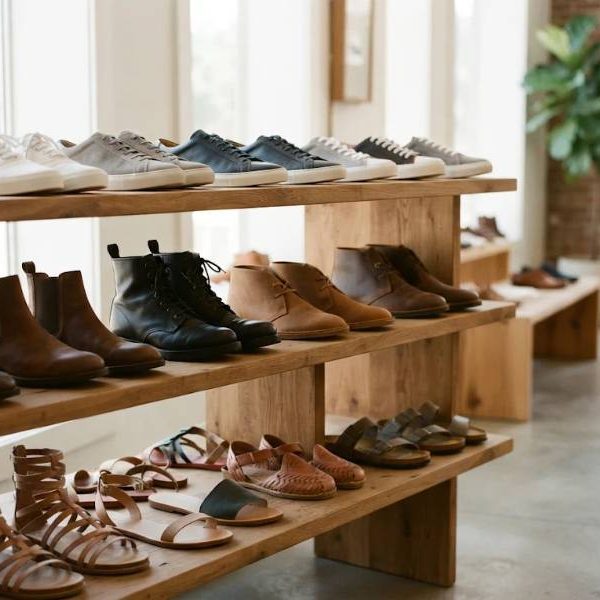
Shoes affect how you walk, stand and feel at the end of a long day. A pair that looks great in the shop may hurt after an hour, while a plain pair can feel perfect. Choosing well is a mix of understanding your feet, your activities and the details of construction. This guide makes it easier.
Know your feet
Feet differ in length, width, arch height and shape. Measure both feet, since one is often larger than the other.
Buy for the larger foot and adjust the fit with insoles or lacing if needed.
Shop in the afternoon
Feet swell slightly during the day. Trying shoes later gives a more realistic idea of comfort.
Wear the socks you plan to use with them.
Check the fit carefully
You should have about a thumb width of space in front of the longest toe. The heel should stay in place without rubbing.
Walk around the store for several minutes before you decide.
Do not expect breaking in miracles
Shoes should feel comfortable almost immediately. Leather softens a little, but pinching or pressure points rarely disappear.
If it hurts in the shop, it will hurt at home.
Understand sizes
Sizes vary between brands and countries. Use the size chart of the specific manufacturer and read customer comments about fit.
When buying online, order a pair that can be returned easily.
Sneakers for daily wear
Choose cushioning, a flexible sole and a supportive heel. Running shoes suit running, while casual sneakers are better for city walking.
Replace athletic shoes when the cushioning feels flat.
Boots for cold and wet days
Look for waterproof materials, good grip and room for thicker socks. Insulation matters in snow, but too much warmth causes sweat.
Check that the sole stays flexible in low temperatures.
Work shoes
Jobs that require long standing need support and sometimes safety features such as reinforced toes or slip resistant soles. Follow your workplace rules.
Rotate two pairs to let each dry completely.
Dress shoes
Formal shoes should still allow your toes to move. Leather uppers and stitched soles last longer and can be repaired.
Use shoe trees to keep their shape.
Sandals and summer shoes
Look for an adjustable strap, a contoured footbed and grip. Flat, thin flip flops offer little support for long walks.
Wear sunscreen on exposed feet.
Foot health advice
Persistent pain, numbness or deformities deserve professional attention. A podiatrist can recommend footwear and insoles. The American Podiatric Medical Association offers general guidance on foot care.
Do not ignore pain as a normal part of life.
Consider materials
Leather breathes and molds to the foot, while synthetics are light and often cheaper. Knit uppers feel soft but may offer less protection.
Choose materials suited to weather and use.
Look at the sole
Rubber soles give grip and durability, while foam soles provide cushioning. Check thickness and flexibility.
Bend the shoe in the middle, since it should flex at the ball of the foot.
Arch support and insoles
People with flat or high arches may need supportive insoles. Choose shoes with removable inserts if you plan to change them.
Test insoles together with the shoe, not separately.
Quality over quantity
A few well made pairs often cost less over time than many cheap ones. Look at stitching, glue marks and finishing.
Repairable shoes are better for your wallet and the planet.
Product information and labels
Shoes sold in several countries need clear labels for size, materials and care. Safety and consumer rules require information in local languages.
Our guide to GPSR translation requirements explains what manufacturers and sellers must provide in the European market.
Portuguese footwear
Portugal is known for quality shoe production, from leather boots to modern sneakers. Brands exporting from there need catalogs and websites for many markets.
Companies often use Portuguese translation services to prepare product descriptions, size guides and contracts.
Care for your shoes
Clean them regularly, let them dry naturally and avoid direct heat. Use protective sprays for suede and leather conditioner when needed.
Good care doubles the life of a pair.
Store properly
Keep shoes in a cool, dry place and use shoe trees for leather. Avoid piling them in a heap.
Open boxes or racks allow air to circulate.
Buy online with care
Read size advice, return policy and shipping costs. Photos can hide details, so check dimensions and materials.
Order two sizes if returns are free.
Think about sustainability
Look for durable materials, repairable construction and honest information about production. Donate or recycle shoes you no longer use.
The best pair is the one you wear for years.
Final advice
Comfort comes from fit, support and suitability for the activity. Take your time, listen to your feet and choose quality.
Happy feet make every day easier.
Try the stairs and the floor test
In the shop, walk on different surfaces and climb a few steps if available. Notice slipping, rubbing and any pressure on the toes.
A short test catches problems that a quick fitting misses.